
AniDB: classic anime from 1958 to 1999, and where to watch it
178 anime
From The Tale of the White Serpent, Horus: Prince of the Sun and Panda! Go Panda! to Kimba the White Lion, Gatchaman and Space Battleship Yamato, from A Dog of Flanders and Princess Sarah to Voltes V and Minky Momo, and from Record of Lodoss War to Slayers and Outlaw Star. Open a title and press Watch now.
World Masterpiece TheaterSuper robotsSpace and science fictionMagical girlsOsamu TezukaHeroes and adventureComedy and familyShoujo classicsEarly films
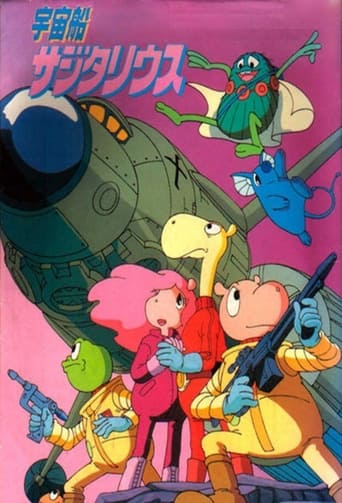 TV★ 6.6Spaceship Sagittarius宇宙船サジタリウス
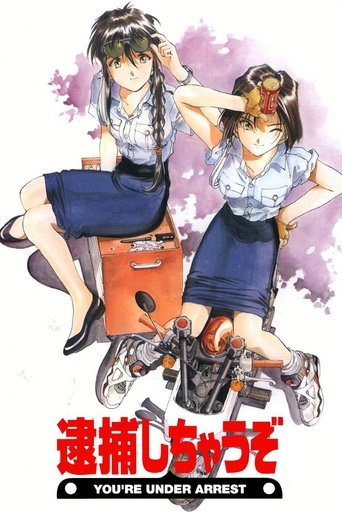 TV★ 7.8You're Under Arrest!逮捕しちゃうぞ
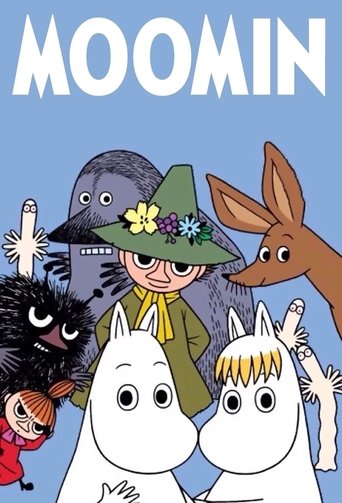 TV★ 8.6Moomin楽しいムーミン一家
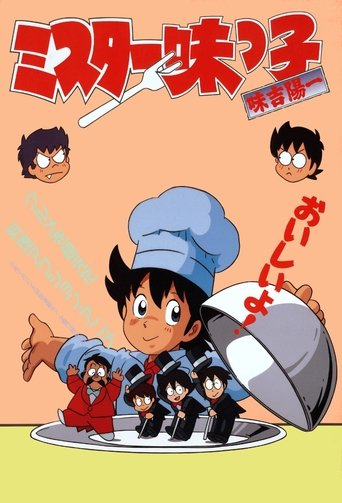 TV★ 6.2Mister Ajikkoミスター味っ子
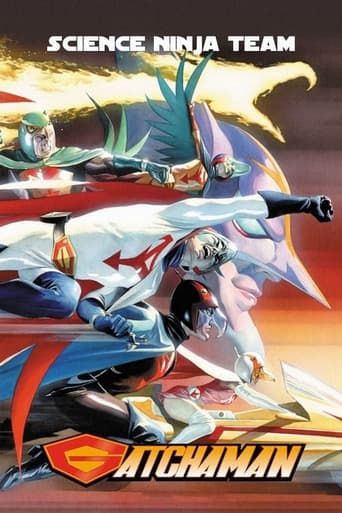 TV★ 8.4Science Ninja Team Gatchaman科学忍者隊ガッチャマン
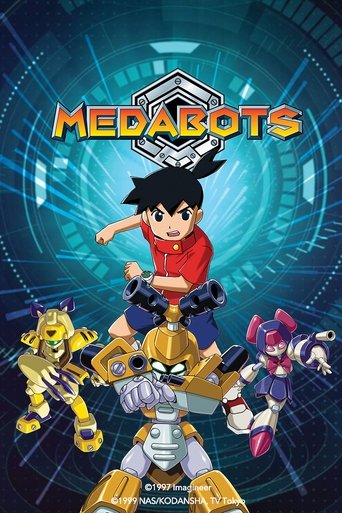 TV★ 8.3Medabotsメダロット
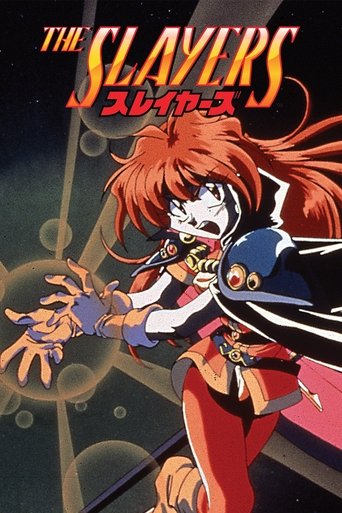 TV★ 7.4Slayersスレイヤーズ
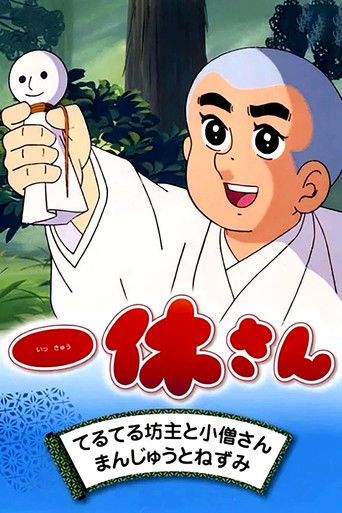 TV★ 7.5Ikkyū-san一休さん
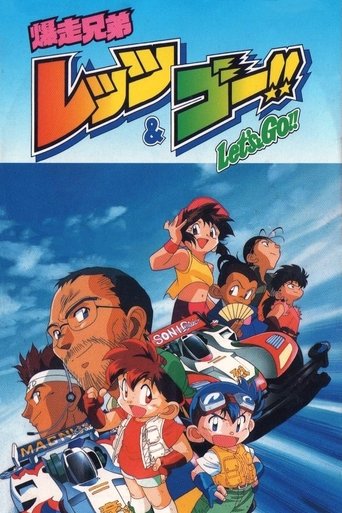 TV★ 7.5Bakusou Kyoudai Let's & Go!!爆走兄弟レッツ&ゴー!!
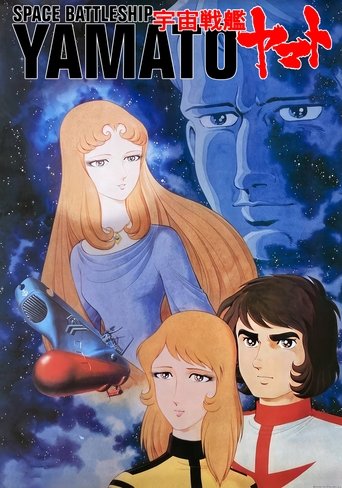 TV★ 7.8Space Battleship Yamato宇宙戦艦ヤマト
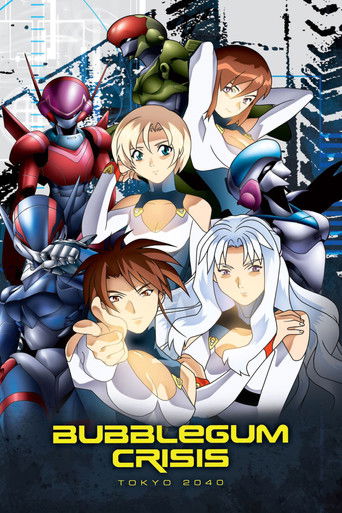 TV★ 6.7Bubblegum Crisis Tokyo 2040バブルガムクライシス TOKYO 2040
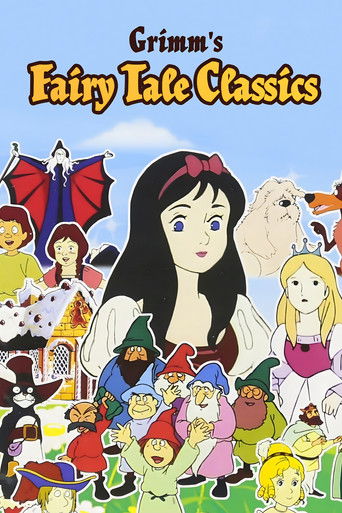 TV★ 8.3Grimm's Fairy Tale Classicsグリム名作劇場
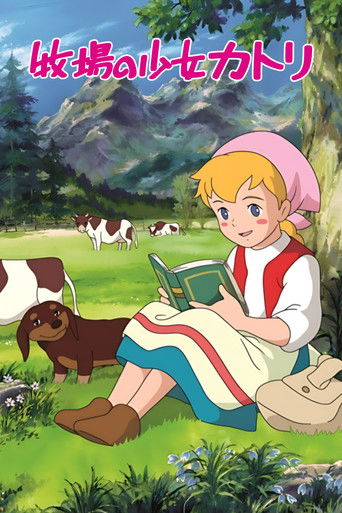 TV★ 7.1Katri: Girl of the Meadows牧場の少女カトリ
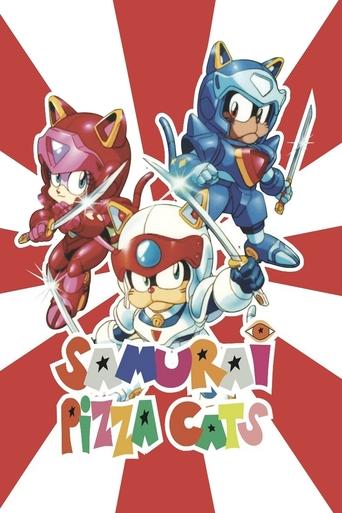 TV★ 8.1Samurai Pizza Catsキャッ党 忍伝 てやんでえ
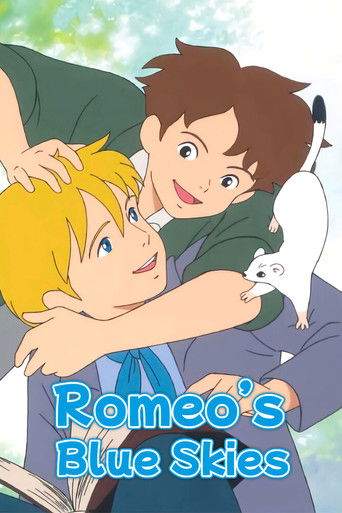 TV★ 8.8Romeo's Blue Skiesロミオの青い空
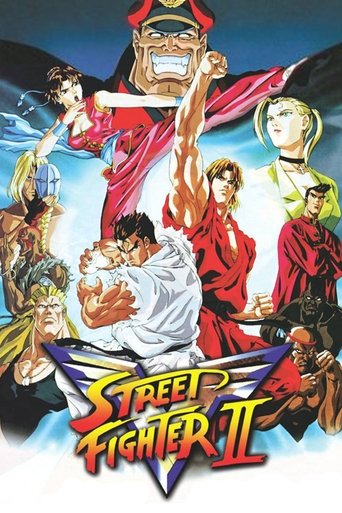 TV★ 7.8Street Fighter II: VストリートファイターII V
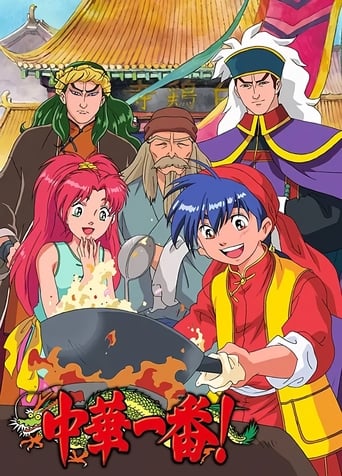 TV★ 7.8Cooking Master Boy中華一番!
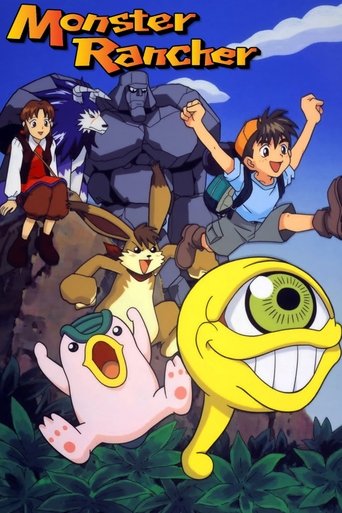 TV★ 8.1Monster Rancherモンスターファーム
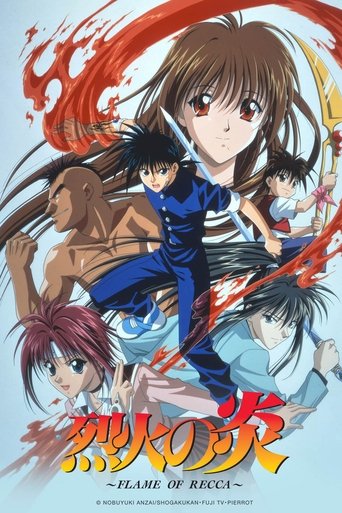 TV★ 7.0Flame of Recca烈火の炎
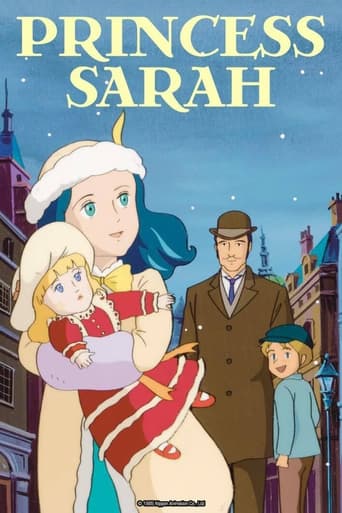 TV★ 8.1Princess Sarah小公女セーラ
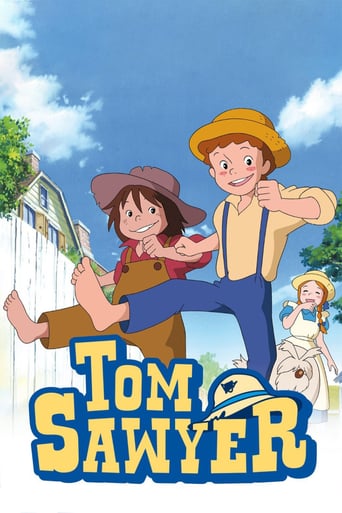 TV★ 7.9The Adventures of Tom Sawyerトム・ソーヤーの冒険
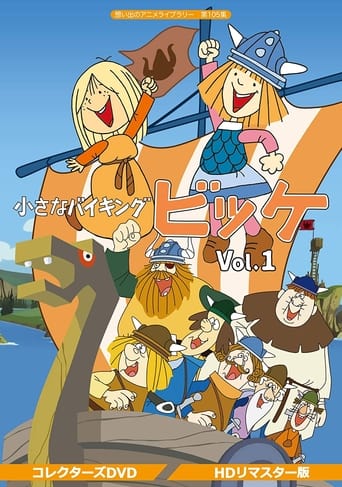 TV★ 7.1Vicky the Viking小さなバイキング ビッケ
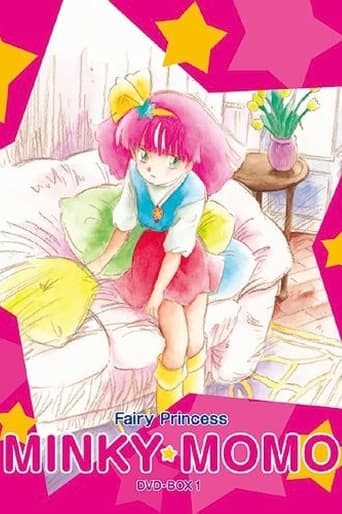 TV★ 6.5Magical Princess Minky Momo魔法のプリンセス ミンキーモモ
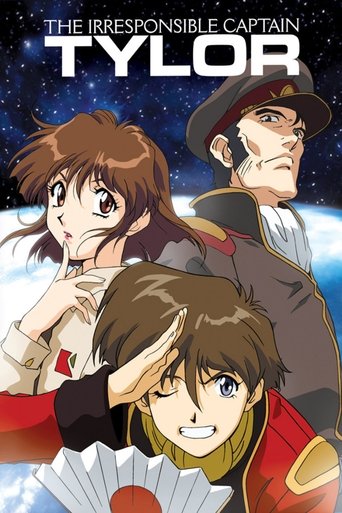 TV★ 7.6The Irresponsible Captain Tylor無責任艦長タイラー
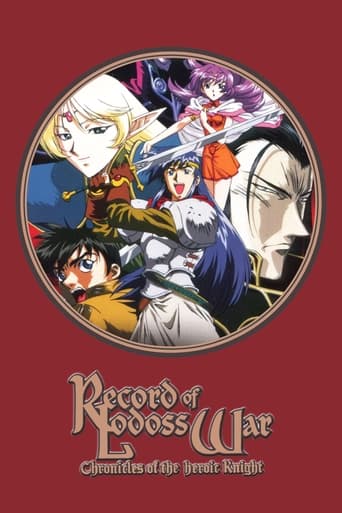 TV★ 7.1Record of Lodoss War: Chronicles of the Heroic Knightロードス島戦記 英雄騎士伝
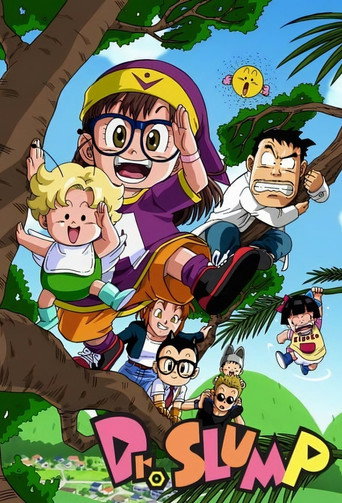 TV★ 7.8Dr. SlumpDr.スランプ
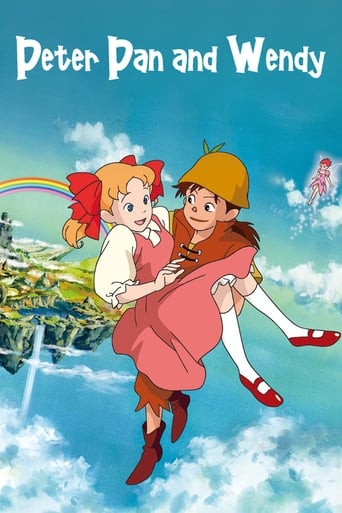 TV★ 8.5The Adventures of Peter Panピーターパンの冒険
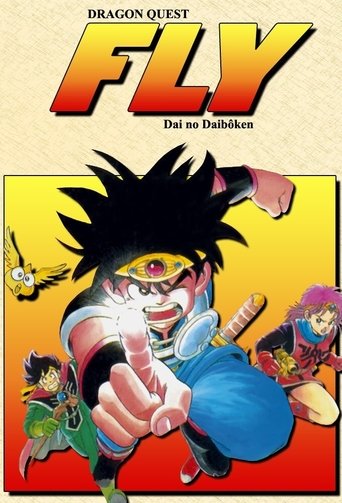 TV★ 8.2Dragon Quest: The Adventure of Daiドラゴンクエスト ダイの大冒険
29World Masterpiece Theater
View all →12Osamu Tezuka
View all →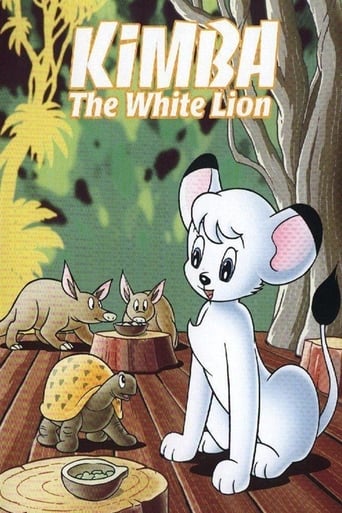


15Super robots
View all →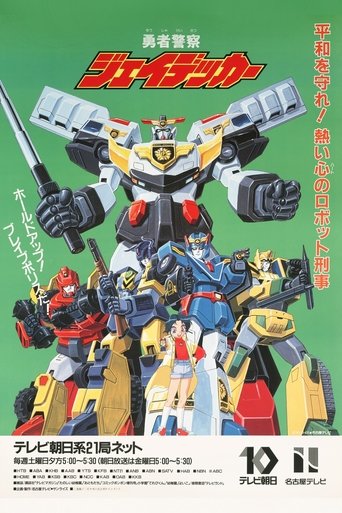
11Magical girls
View all →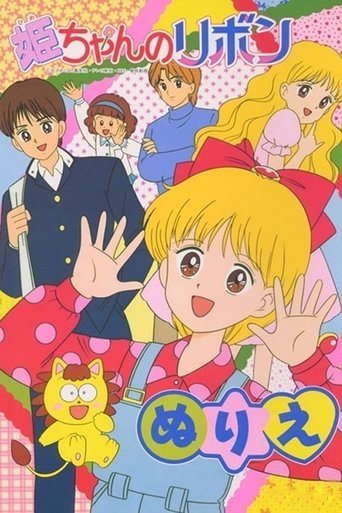
23Space and science fiction
View all →
35Heroes and adventure
View all →39Early films
View all →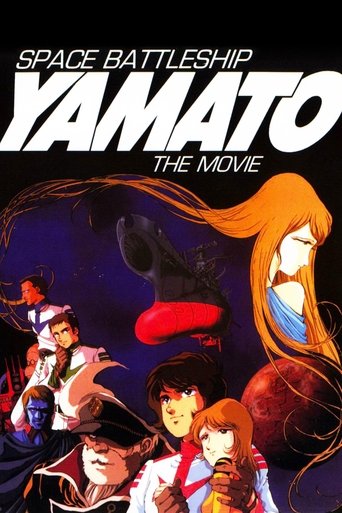 Movie★ 7.8Space Battleship Yamato宇宙戦艦ヤマト
 Movie★ 6.3Panda! Go Panda!パンダコパンダ
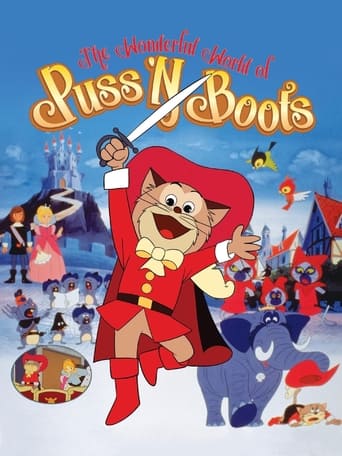 Movie★ 7.0The Wonderful World of Puss 'n Boots長靴をはいた猫
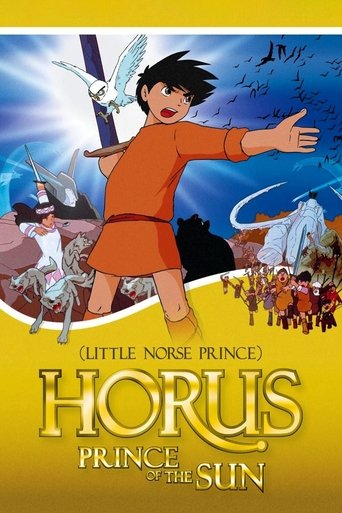 Movie★ 6.4Horus: Prince of the Sun太陽の王子ホルスの大冒険
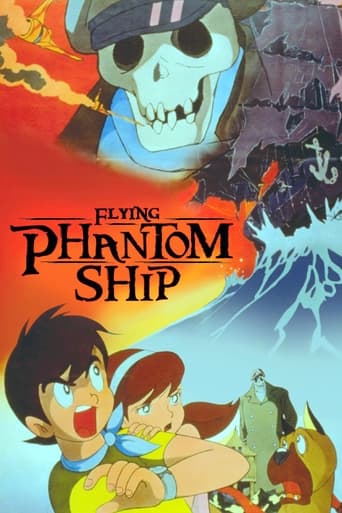 Movie★ 6.2Flying Phantom Ship空飛ぶゆうれい船
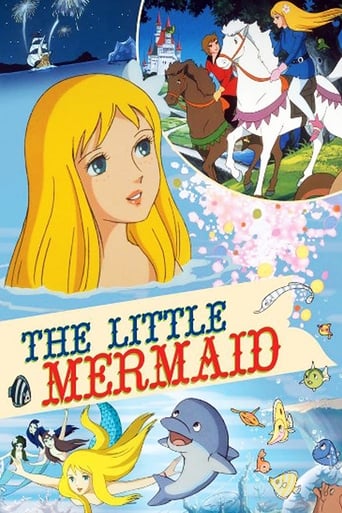 Movie★ 6.6Hans Christian Andersen's The Little Mermaidアンデルセン童話 にんぎょ姫
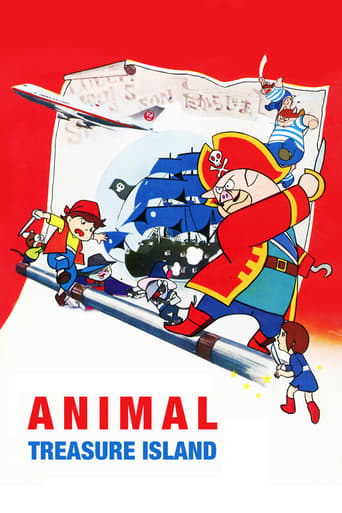 Movie★ 6.3Animal Treasure Islandどうぶつ宝島
22Top rated
View all →App, domains and help
View all →- How to watch with AniDBFrom the archive shelf to your screen.
- Classic anime basicsFour decades of animation history.
- World Masterpiece TheaterLiterary classics from around the world.
- Osamu Tezuka on AniDBThe god of manga on screen.
- Super robots on AniDBCombining machines and brave teams.
- Magical girls on AniDBWands, compacts and transformations.
- Subtitles and dubsJapanese audio and more.
- The official AniDB siteRecognising AniDB.
- Is AniDB working?A quick check and easy fixes.
- Where AniDB titles streamThe official services behind the guide.
- Apps and devicesPhones, tablets, laptops and TVs.
- Free classic animeLegal ways to watch at zero cost.
- Streaming safelyA short checklist.
- Finding a titleSearch in English or Japanese.
- My ListSaving titles and following series.
AniDB: classic anime from 1958 to 1999, from The Tale of the White Serpent and Kimba the White Lion to Space Battleship Yamato, A Dog of Flanders and Slayers
AniDB began as a tidy anime database with a near-black page, crisp orange badges and long grids of posters sorted by theme. The new AniDB keeps that orderly, catalogue-like design and devotes it to the foundations of the medium: classic anime from 1958 to 1999. Here you will find Toei's first feature films, Osamu Tezuka's pioneering television series, the heroic teams and space sagas of the 1970s, the literary adaptations of the World Masterpiece Theater, the super robots and magical girls of the 1980s and the fantasy adventures and space operas of the 1990s. Every title has its own page with the story, the voice cast, the studio and, for series, every episode with its first air date, plus a Watch now button that opens it on the official services in your country.
These four decades built everything that anime is today. The character designs, storytelling habits, genres and even the business models that define modern anime were invented and refined in these years, often by small teams working under enormous pressure. Watching the classics is a chance to see where it all began, to meet characters that generations of viewers grew up with and to discover stories that remain moving, funny and thrilling decades later. AniDB gathers nearly one hundred and eighty of them in one place.
The AniDB design
The design is measured from an archived themes page of anidb.app, captured in July 2026, and its style sheet. The page is a deep near-black, #0A0A0A. Cards sit on #111111, raised tiles on #1A1A1A and every edge carries a fine #262626 border. Text is almost white, with two quieter greys, #A3A3A3 and #737373, for captions and counts. The accent is a warm orange, #F97316, used for the small type badges on every poster, the count badges beside each shelf, the View all links, the A to Z chip and the My List button. Star scores glow in yellow in the corner of each poster. The typeface is Inter, clean and compact, with heavy weights for page titles.
The wordmark is an original drawn in the same spirit: a small orange tile with a white play arrow beside the name AniDB in bold white letters. The favicon is that orange tile alone.
The header
The header is slim and sticky, a translucent black bar with a thin border along its lower edge. On the left sit the logo and the main links: Home, Browse, Series, Films and Themes, echoing the original's Home, Browse and Schedule links and its Types, Genres and Themes menus. On the right come a compact search field and an orange My List button, in the spot where the original offered its Log in and Register buttons. On a phone the links fold into a menu, and the search moves inside it.
The listing page
The home page is laid out like one of the original's theme pages. A small breadcrumb reads Home, Themes, Classics. Beneath it, a large page title sits beside a bordered Filter and Sort button, with the number of anime on the site written below the title in grey, just as the original showed the count for each theme. A row of rounded chips lists the themes, from World Masterpiece Theater and Super robots to Magical girls and Early films, and each opens its own shelf.
Fantasy of the nineties
The 1990s were a golden age for fantasy anime. Record of Lodoss War, a 1990 video series from a tabletop role-playing campaign, follows a young warrior and his companions, an elf, a dwarf, a wizard and a priest, on a quest to save the island of Lodoss. Its painterly style and classic fantasy spirit made it a landmark, and the television series Record of Lodoss War: Chronicles of the Heroic Knight continues the story. The Heroic Legend of Arslan: Age of Heroes adapts the epic novels about a young prince reclaiming his kingdom.
Slayers, from 1995, follows the sorceress Lina Inverse, a genius with a fiery temper and a bottomless appetite, and her companions through a comic fantasy world. Its mix of slapstick, spell battles and surprisingly epic storylines made it one of the most popular anime of the decade, with a hundred and four episodes across several seasons. Lost Universe brings the same writer's humour to space, and Orphen follows a young sorcerer searching for a friend transformed into a dragon.
Game adaptations flourished too. Dragon Quest: Legend of the Hero Abel and Dragon Quest: The Adventure of Dai bring Japan's favourite role-playing series to the screen, Arc the Lad and Final Fantasy: Legend of the Crystals follow famous game worlds, and Violinist of Hamelin turns a musical quest into a comic adventure.
Science fiction of the nineties
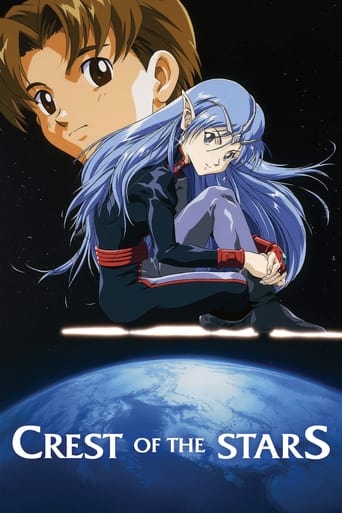
Outlaw Star, from 1998, follows a young mercenary who comes into possession of a powerful spaceship and a mysterious girl hidden inside it, a lively space western. Crest of the Stars, from 1999, follows a young noble and a princess of an interstellar empire in a thoughtful space opera with its own invented language. Legend of the Galactic Heroes Gaiden tells side stories from the celebrated space-war saga, and Bubblegum Crisis Tokyo 2040 reimagines the classic cyberpunk story of armoured heroines. Yokohama Kaidashi Kikou is a serene video series about an android who runs a café in a quiet, sea-swallowed future Japan, one of the most peaceful anime ever made.
Key the Metal Idol follows a robot girl who must earn the love of thirty thousand people to become human, and The Irresponsible Captain Tylor follows a slacker who becomes captain of a warship through sheer luck, a comedy with a surprising heart.
Four decades at a glance
The decade shelves trace the whole story, and Classic anime basics gives a short tour. The 1958 to 1969 shelf holds the pioneers: Toei's first feature films, Tezuka's first colour series and the first magical girls. The 1970s shelf brings the costumed heroes of Tatsunoko, the super robots of Sunrise and Toei, Space Battleship Yamato and the first World Masterpiece Theater series. The 1980s shelf adds idols, transforming mecha, the rise of the video market and many beloved literary adaptations. The 1990s shelf, the largest, is full of fantasy adventures, space operas, magical girls and the game-based shows that captured children around the world.
The Top rated shelf gathers the classics that audiences rate most highly, and it is a reliable place to begin.
The studios that built anime
A handful of studios shaped these decades. Toei Animation, founded in 1956, made the first colour feature films, Sally the Witch, Cyborg 009, Starzinger and a long line of super robots and magical girls. Mushi Production, Tezuka's studio, made Kimba, Princess Knight and a string of artistic shorts. Tatsunoko Production created Gatchaman, Casshan, Time Bokan and Hutch the Honeybee. Nippon Animation became famous for the World Masterpiece Theater, and Sunrise for Reideen, Combattler V and the Brave series. Tokyo Movie, later TMS Entertainment, made Panda! Go Panda!, Remi and Treasure Island, often with the talents of Isao Takahata, Hayao Miyazaki and Osamu Dezaki. Search any studio name to see its classics together.
Directors to follow
Several directors of these years became legends. Isao Takahata directed Horus: Prince of the Sun, Panda! Go Panda! and 3000 Leagues in Search of Mother before co-founding Studio Ghibli. Osamu Dezaki gave Remi, Treasure Island and the Black Jack videos his signature split screens and freeze-frame postcards. Rintaro, Yoshiyuki Tomino and Leiji Matsumoto left their mark on science fiction, and Tadao Nagahama brought melodrama to super robots. Following a director from title to title is a rewarding way to explore the collection.
Why watch the classics
Classic anime has a warmth all its own. Every frame was painted by hand on cels, backgrounds were painted in watercolour and gouache, and the voices, music and sound effects were recorded by teams who were often inventing the craft as they went. The result has a handmade texture, from the gentle shimmer of a cel shadow to the grain of film, that many viewers find deeply comforting. Stories were often told at a gentler pace, with time for quiet moments, long journeys and slow-growing friendships.
The classics also explain modern anime. The team of five heroes, the transforming robot, the magical transformation sequence, the long journey across the stars, the sports training montage and the tearful farewell were all invented or perfected in these decades. Watching Gatchaman, Yamato, Sally the Witch or Combattler V is like reading the first chapters of a story you already love.
Restorations and remasters
Many classics have been lovingly restored in recent years. Studios and rights holders have scanned original film elements in high resolution, cleaned away dust and scratches and restored the original colours, so that series from the 1970s can look brighter and sharper today than they did on the televisions of their time. Official services and home-video releases carry these remasters, and choosing them supports the work of preserving animation history.
Dubs around the world
Classic anime travelled the world long before streaming. Italian, Spanish, French, German, Arabic and Filipino television broadcast series such as Grendizer, Voltes V, Heidi, Captain Future, Maya the Bee, Remi and Candy Candy, often with new theme songs that remain famous in those countries. Many viewers first met these shows in their own language, and a local dub can carry as much nostalgia as the Japanese original. Subtitles and dubs explains how to choose tracks on each service.
The craft of cel animation
Almost every title on AniDB was made with cel animation, a craft that shaped the look of anime for forty years. Animators drew each key pose on paper, in-betweeners filled the movement between them, and every drawing was traced onto a clear sheet of celluloid and painted by hand on the reverse side. The cels were laid over painted backgrounds and photographed one frame at a time with a rostrum camera. A single episode could need several thousand cels, and studios developed clever techniques to save effort, such as holding a character still while only the mouth moved, or sliding a long painted background behind a running figure.
These limits became a style. Directors such as Osamu Dezaki turned held frames into dramatic postcard-like paintings, and the Toei and Tatsunoko teams created famous stock sequences, such as a hero's transformation or a robot's combination, that were reused in every episode and became beloved rituals for young viewers. Watching the classics with these techniques in mind reveals a remarkable amount of invention in every minute.
Theme songs and scores
The music of classic anime is a treasure of its own. Theme songs were written to be sung by children in the playground, and many became national hits: the rousing march of Space Battleship Yamato, the heroic chorus of Gatchaman and the catchy tunes of the magical-girl shows. Orchestral scores for the World Masterpiece Theater and the Toei feature films were composed with the care of concert music, and the synthesizer soundtracks of 1980s science fiction still sound fresh today. Many series were released with new theme songs abroad, so the same show might have one tune in Japan and quite another in Italy, France or Latin America.
The video era
In the 1980s, the arrival of home video created the OVA, the original video animation, released directly to tape and laser disc rather than broadcast on television. OVAs gave creators bigger budgets and more freedom, and they produced some of the most ambitious animation of the period, from the fantasy of Record of Lodoss War to the romance of Please Save My Earth and the anthology Robot Carnival. The format also let smaller stories find their audience, and AniDB includes many short OVA series of three to six episodes that make perfect evening viewing.
Sunday evenings and afternoon slots
For many Japanese families, anime was part of the weekly routine. The World Masterpiece Theater aired on Sunday evenings, just before the new school week, and its gentle stories of courage and kindness became a shared family ritual. Weekday afternoons belonged to comedies, robots and magical girls, watched by children just home from school, while the golden-hour slots of the early evening carried the biggest adventures. These schedules shaped the way the shows were made: family series moved slowly and warmly, while action shows packed each episode with a clear villain and a triumphant finish.
The same shows travelled the world on local television, often in afternoon slots of their own. In Italy and Spain, in France and Germany, in the Middle East and Latin America and across the Philippines, children grew up with the same heroes as their Japanese peers, often discovering only years later that the shows came from Japan. AniDB is a chance to rediscover them with the full story of their origins.
Where to start
If you are new to classic anime, start with a title that matches what you already enjoy. For adventure, try Science Ninja Team Gatchaman or Space Battleship Yamato. For something gentle, A Dog of Flanders, Rascal the Raccoon or Princess Sarah. For fantasy, Record of Lodoss War or Slayers. For laughs, Dr. Slump or Samurai Pizza Cats. For robots, Voltes V or Brave Police J-Decker. The shelves on the home page gather each of these corners, and My List keeps track of everything you want to try.
Seasoned fans will find plenty of deeper cuts: Tezuka's artistic shorts, the Toei features of the 1960s, short OVA series from the video boom and literary adaptations that rarely appear on the biggest services. Browse the A to Z and enjoy the discoveries.
Classic anime also rewards patience. Some early episodes move slowly by modern standards, setting up characters and places with care, and the payoff often arrives in a moving mid-season arc or a grand finale. Give a series three or four episodes to find its rhythm, and the craft and heart of these older works will usually shine through.
Heroines of the classics
Classic anime gave the world a remarkable gallery of heroines. Sapphire in Princess Knight wields a sword as boldly as any prince, Perrine walks across a continent to find her family, Sara keeps her dignity through every hardship at her boarding school, and Lina Inverse in Slayers blasts through dragons and demons with confidence and a grin. Magical girls such as Sally, Akko and Minky Momo use their powers to help friends and strangers, while Yawara and the girls of the sports classics chase championships. These characters inspired generations of viewers and remain as vivid today as when they first appeared.
Stories of kindness
A thread of kindness runs through many classics. Kimba dreams of peace between animals and people, Nello shares his last crust with his faithful dog, Marco is helped across a whole continent by strangers, Hutch finds friends on every leaf and branch, and the robots of the Brave series learn what it means to care for a child. These stories were made for young audiences, but their warmth speaks to every age. Watching them is a gentle reminder of the simple values that great animation has always carried, and a lovely way to spend an evening with family.
Many adults return to these series in difficult times, finding comfort in their calm pace, gentle music and hopeful endings. The classics make an ideal companion for a quiet weekend.
A classics marathon
For a classics marathon, travel through the decades in a single weekend. Begin on Saturday morning with The Tale of the White Serpent and Panda! Go Panda!, move on to a few episodes of Kimba the White Lion and Science Ninja Team Gatchaman after lunch, and spend the evening aboard Space Battleship Yamato. On Sunday, start with A Dog of Flanders or Princess Sarah, enjoy a burst of robot action with Voltes V in the afternoon and finish with the first episodes of Record of Lodoss War or Slayers. Along the way you will see the art of animation grow, from hand-painted fairy tales to sweeping fantasy, and meet heroes that millions of viewers still hold dear. Keep a notebook of favourites, add them to My List and plan the next weekend of discoveries.
Share the notebook with friends who love animation, compare favourites and swap recommendations for the next marathon.
Search, Browse and My List
The search understands English titles, Japanese titles and many of the alternate names these classics have carried in different countries over the years, so Kimba the White Lion and ジャングル大帝 lead to the same series. Add a season and an episode, like Slayers S2E3, and the search lands on the right show. It also finds studios and voice actors. The Browse link and the A to Z strip open the full list of titles, with filters for type, genre and year. Finding a title has more tips.
My List keeps the classics you want to watch and remembers the episodes you have ticked, which is especially handy for long series like Gatchaman or Ikkyū-san. It lives in your browser, works instantly and exports to a small file for another device. My List explains how.
Any screen
AniDB works in any modern browser on phones, tablets and computers, with a menu button on small screens. Official services have apps for smart TVs and streaming sticks, so browse AniDB on your phone and watch the classic on the big screen, just as families once did on Sunday evenings. Apps and devices has more tips.
Free and legal options
Classic anime is often available free with ads on official channels in many countries, and JustWatch labels those options with Free after you press Watch now. Public libraries in some regions lend anime through apps such as Hoopla and Kanopy. Free classic anime explains where to look.
Watching safely
Official services protect your account and support the rights holders who restore and preserve these classics. Keep your browser and apps updated, give each service its own password and turn on two-step sign-in. Streaming safely gathers the essentials.
The official AniDB
The real AniDB is easy to recognise: the orange play tile beside the name, a near-black page, orange badges on every poster, a seven-column grid, a pager and an A to Z strip at the foot of each page. The official AniDB site describes it in detail, and Is AniDB working? lists quick fixes if a page ever looks unusual.
The poster grid
The heart of the page is a seven-column poster grid, the same density as the original. Each poster has gently rounded corners and a dark gradient rising from its lower edge. A tiny orange badge in the top-left corner shows whether the title is a TV series or a movie, and a small dark tag in the top-right corner shows the audience score in yellow stars. The title sits in bold white letters over the gradient at the bottom of the poster, and beneath the poster a grey caption gives the original Japanese title or the year. The grid shows the twenty-eight most popular classics on the site.
Below the grid, a pager reads Prev, Page 1 of 7 and Next, as the original's server-side listings did. On AniDB, the Next button opens the full A to Z of every title, where filters for type, genre and year let you narrow the list.
Shelves
After the main grid come shorter shelves, each a single row of seven posters with an orange count badge beside its heading and a View all link on the right: World Masterpiece Theater, Osamu Tezuka, Super robots, Magical girls, Space and science fiction, Heroes and adventure, Early films and Top rated. They make it easy to dip straight into a particular corner of anime history.
The A to Z strip and footer
At the foot of every page sits the original's A to Z strip: an orange chip labelled A to Z, a row of small square letter tiles from All and 0-9 through to Z, and a Browse all link. Beneath it, a five-column footer carries a short description of the site and columns for Explore, Types, Themes and Browse by, with links to the top-rated shelf, the series and films collections, three popular themes, the help pages and the privacy and about pages.
How to watch a classic
Watching on AniDB takes three steps. Open a title from the grid, a shelf, a chip or the search. On the title page, read the story, check the episode list and choose your country. Then press Watch now, and JustWatch opens with every official service that carries the title where you live, whether by subscription, rental, purchase or free with ads. The anime then plays in that service's own app or website. How to watch with AniDB walks through each step, and the country list covers fifteen countries across the Americas, Europe, Asia and Oceania.
Classic anime often lives on specialist services, free ad-supported channels and digital stores rather than the biggest subscription platforms, and availability changes from country to country. The Watch now button always shows the current options where you are, and Where AniDB titles stream introduces the kinds of services you are likely to see.
Toei's first feature films
The Early films collection begins in 1958 with The Tale of the White Serpent, the first colour feature-length anime. Toei Animation, founded with the dream of becoming the Disney of the East, adapted a Chinese legend about a white snake spirit who falls in love with a young man, and the film's gentle animation, songs and animal sidekicks inspired a young Hayao Miyazaki to become an animator. Magic Boy followed in 1959 with a boy ninja who battles a witch, and Alakazam the Great! in 1960 told a lively version of the Journey to the West with a proud young monkey king, based on a manga by Osamu Tezuka.
The early Toei films grew more ambitious year by year. Arabian Nights: The Adventures of Sinbad sailed into the Thousand and One Nights, The Little Prince and the Eight-Headed Dragon retold a Japanese myth with striking, stylised designs, and Gulliver's Travels Beyond the Moon sent a boy and Gulliver into space. Horus: Prince of the Sun, from 1968, was a turning point: directed by Isao Takahata with Hayao Miyazaki among its key animators, it tells of a boy who fights an ice demon to protect a village, and its serious themes of community and resistance pointed toward the future of the medium.
Lighter films followed. The Wonderful World of Puss 'n Boots, from 1969, introduced Pero, a swashbuckling cat who became Toei's mascot, and returned in The Three Musketeers in Boots and Puss 'n Boots Travels Around the World. Flying Phantom Ship, Animal Treasure Island and Ali Baba and the Forty Thieves brought pirates, animals and adventure, and Hans Christian Andersen's The Little Mermaid and The Wild Swans adapted classic fairy tales with delicate beauty.
Panda! Go Panda!
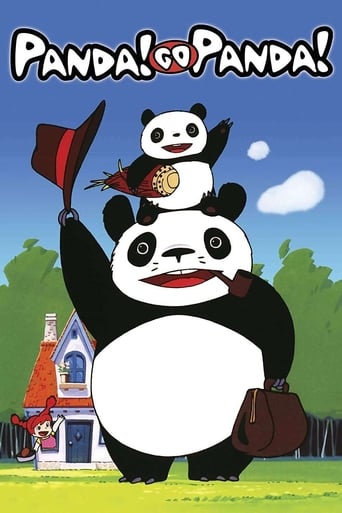
Panda! Go Panda!, from 1972, is a short, sunny gem directed by Isao Takahata and written and designed by Hayao Miyazaki. A cheerful girl living alone while her grandmother travels welcomes a giant panda and his cub into her home, and the three become a happy little family. The sequel, Panda! Go Panda!: Rainy Day Circus, floods the neighbourhood and sends the family on a rescue adventure. Fans often spot the seeds of My Neighbor Totoro in their round, friendly shapes and warm humour.
Osamu Tezuka
Osamu Tezuka, often called the god of manga, shaped anime as much as any single person. The Osamu Tezuka collection gathers his work, and Osamu Tezuka on AniDB introduces it. His studio, Mushi Production, made Japan's first regular half-hour anime series and then Kimba the White Lion, the first colour television anime series in Japan, broadcast from 1965. Kimba is a white lion cub who dreams of a jungle where animals and people live in peace, and his seventy-eight episodes combine adventure, humour and a gentle message about coexistence. The theatrical film Jungle Emperor and the 1989 remake The New Adventures of Kimba The White Lion continue his story.
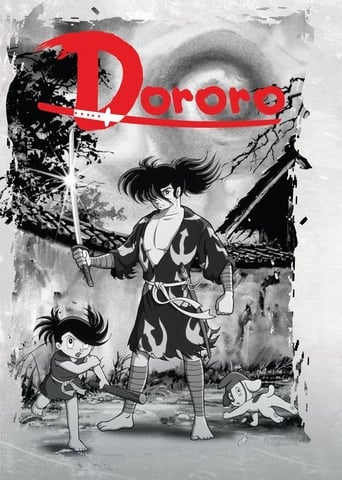
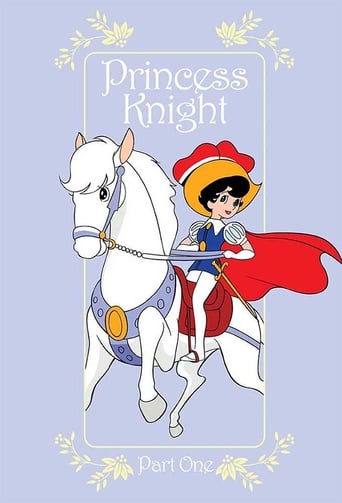
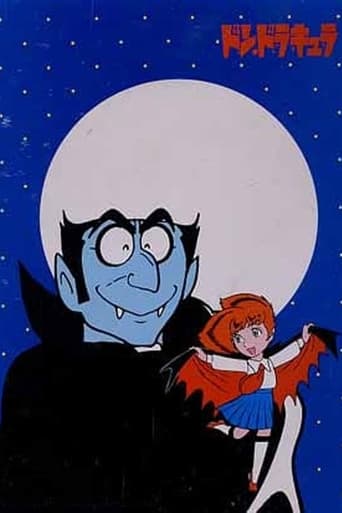
Princess Knight, from 1967, follows Sapphire, a princess born with both a boy's heart and a girl's heart, who must pose as a prince to inherit her kingdom. It is one of the founding works of shoujo anime, full of swordfights, romance and fairy-tale adventure. Dororo and Hyakkimaru from 1969 follows a young swordsman searching for the parts of his body stolen by demons, with a scrappy young thief as his companion, and Don Dracula is a light comedy about a vampire count who moves to Tokyo with his daughter.
Artistic shorts
Tezuka also loved experimental animation, and Mushi Production made a series of artistic shorts alongside its television work. Tales of a Street Corner brings the posters on a city wall to life, telling a quiet love story between two posters and a sad tale of war. Pictures at an Exhibition sets Mussorgsky's music to satirical portraits of modern life, Memory plays with the tricks of human recollection and The Drop follows a castaway desperately trying to catch a single drop of water. These films show a side of anime that is rarely seen and often breathtaking.
Later Tezuka works
Black Jack, the 1993 video series, follows the brilliant unlicensed surgeon with a patchwork face who performs impossible operations for huge fees and quietly helps those in need. Hakugei: Legend of the Moby Dick retells Melville's novel as a science-fiction adventure among the stars, made by Tezuka Productions after the master's death. Both carry his humanism into the 1990s.
Tatsunoko heroes
In the 1970s, the studio Tatsunoko Production created a line of costumed heroes that thrilled children across Japan and, through dubbed versions, much of the world. Science Ninja Team Gatchaman follows five young ninjas in bird-themed suits who defend Earth from the secret society Galactor, and its two hundred and five episodes blend science fiction, teamwork and striking design; a 1994 video series, Gatchaman, revisits the team. Casshan follows a young man who becomes an android to battle a robot army, Hurricane Polymar gives a detective a shape-shifting suit and Time Bokan launched a long-running comedy series about time-travelling heroes and a bumbling trio of villains.
Tatsunoko also had a gentler side. The Adventures of Hutch the Honeybee, from 1970, follows a little bee searching for his lost mother across a world of insects, a tearjerker that moved a whole generation, and Homerun Kanta brings a boy's baseball dreams to the screen. Later, the studio made Genesis Climber MOSPEADA, Super Dimension Cavalry Southern Cross, Zillion and Shurato, and in the 1990s the space comedy The Irresponsible Captain Tylor and The Story of Cinderella.
Space Battleship Yamato
Space Battleship Yamato, first broadcast in 1974, is one of the most important anime ever made. In the year 2199, Earth is dying under radioactive bombardment from the alien Gamilas, and humanity's last hope is a voyage to the distant planet Iscandar aboard the resurrected World War Two battleship Yamato, now a starship. The series treated its young audience seriously, with a grand journey, a ticking clock and real sacrifice, and it helped create the anime fan culture of the late 1970s. The compilation film Space Battleship Yamato from 1977 brought the story to cinemas and became a huge hit.
Leiji Matsumoto's space
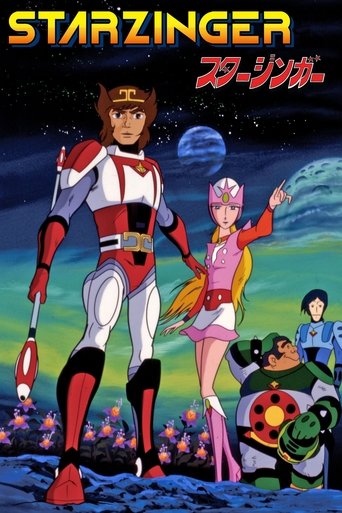
Yamato's designer, Leiji Matsumoto, became a legend of space opera, and his lonely wanderers and gleaming ships appear across the collection. Arcadia of My Youth: Endless Orbit SSX follows the pirate Captain Harlock and his crew on a journey to find a new home for a wandering people, full of melancholy, loyalty and gorgeous starships. Starzinger retells Journey to the West among the stars, and Spaceship Sagittarius, a later Nippon Animation series, follows three ordinary men on comic adventures across the galaxy, a warm, underrated favourite.
Captain Future
Captain Future, from 1978, adapts Edmond Hamilton's pulp science-fiction stories about a brilliant scientist-adventurer and his crew: a robot, an android and a living brain. It became especially popular in Germany, France and Italy, where its dubbed versions and soundtracks are fondly remembered.
World Masterpiece Theater
From 1975, Japanese families gathered every Sunday evening for a half-hour adaptation of a famous novel from around the world. These series, produced mainly by Nippon Animation and known collectively as the World Masterpiece Theater, are among the most beautiful and moving anime ever made. The World Masterpiece Theater collection gathers them with other literary adaptations of the era, and World Masterpiece Theater offers a short introduction.
A Dog of Flanders, from 1975, tells of Nello, a poor boy in Belgium who dreams of becoming a painter, and his loyal dog Patrasche. Its famous final episode has moved audiences to tears for fifty years. 3000 Leagues in Search of Mother, from 1976, follows Marco, an Italian boy who crosses the Atlantic to find his mother in Argentina, with layouts by a young Hayao Miyazaki and direction by Isao Takahata. Rascal the Raccoon follows a boy in Wisconsin who adopts a mischievous raccoon, and The Story of Perrine follows a brave girl who walks across Europe to find her grandfather.
The Adventures of Tom Sawyer brings Mark Twain's Mississippi to life, The Swiss Family Robinson: Flone of the Mysterious Island shipwrecks a cheerful family on a tropical island, and Katri: Girl of the Meadows follows a Finnish girl working on a farm while her mother is away. Princess Sarah, from 1985, adapts A Little Princess, following a wealthy girl who loses everything at a London boarding school and keeps her kindness through every hardship.
More literary classics
The Story of Pollyanna follows the famously cheerful girl and her glad game, Tales of Little Women and Little Women II : Jo's Boys adapt Louisa May Alcott's novels, and Trapp Family Story tells the true story behind The Sound of Music. Story of the Alps: My Annette is a tale of friendship and forgiveness in a Swiss village, The Adventures of Peter Pan flies to Neverland, and Romeo's Blue Skies follows a Swiss boy sold as a chimney sweep in Milan who finds friendship among the other sweeps. The Story of Cinderella and Grimm's Fairy Tale Classics retell fairy tales, and Alice in Wonderland follows Alice down the rabbit hole in a playful 1983 series.
European co-productions
Several series were made with European partners and became beloved across the continent. Maya the Bee and Vicky the Viking, both from the mid-1970s, were co-produced for German television and remain classics in Germany, Austria and beyond. Belle and Sebastian follows a boy and his giant dog in the French Alps, Moomin from 1990 brings Tove Jansson's gentle trolls to life with Finnish partners, and Wowser follows a lazy, food-loving dog and his inventor master. The Legend of Zorro and King Arthur and the Knights of the Round Table bring legendary heroes to anime.
Super robots
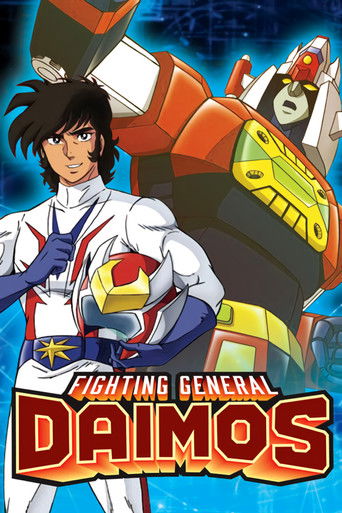
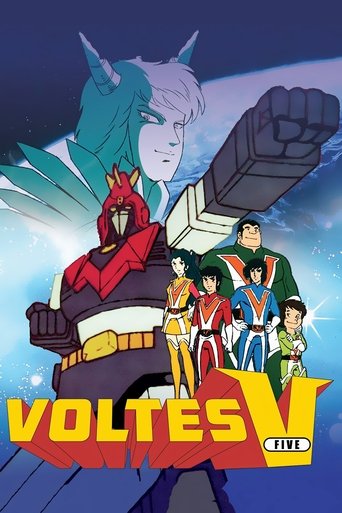
The Super robots collection gathers the giant machines of the 1970s, 1980s and 1990s, and Super robots on AniDB is a quick guide. Sunrise's Reideen the Brave, from 1975, fused robot action with ancient mystery, and Tadao Nagahama's Romance Robot trilogy followed: Combattler V in 1976, whose five pilots combine their vehicles into one mighty robot, Voltes V in 1977, a saga about brothers searching for their father that became a cultural phenomenon in the Philippines, and Fighting General Daimos in 1978, a tragic love story across a war between humans and aliens.
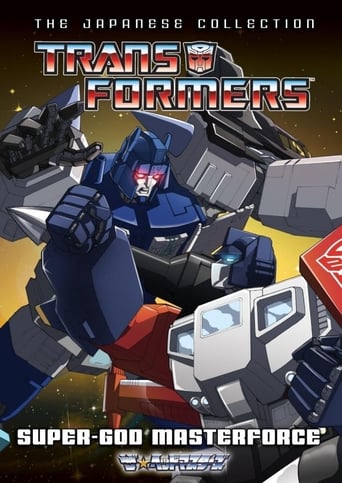
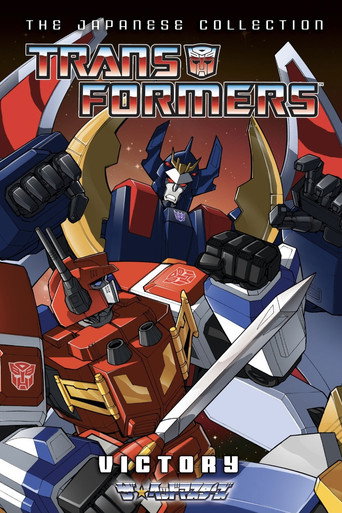
Magnet Robot Gakeen and Lightspeed Electroid Albegas added magnetic and combining twists, and Great Mazinger vs. Getter Robo is a festival film that brought two famous robot teams together. The Transformers came to Japan too: Transformers: Super-God Masterforce and Transformers: Victory continued the franchise with Japanese-made stories.
The Brave series
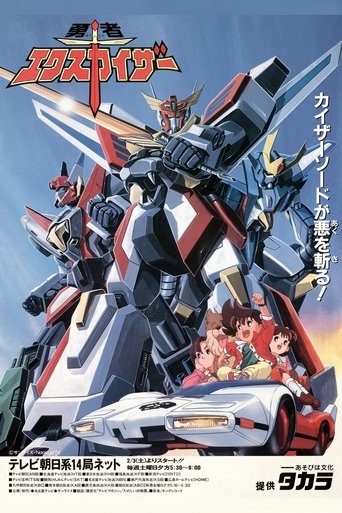
In the 1990s, Sunrise launched the Brave series, in which robots with hearts and personalities befriend children. Brave Exkaiser follows a boy whose family car is secretly a robot from space, The Brave of the Sun Fighbird follows an alien hero who takes the form of a young man to protect Earth, and Brave Police J-Decker follows a boy who leads a squad of police robots and teaches the newest one what it means to have a heart. These series are warm, bright and full of spectacular combinations.
Science fiction of the eighties
Genesis Climber MOSPEADA follows resistance fighters with transforming motorcycles battling alien invaders on a conquered Earth, and Super Dimension Cavalry Southern Cross follows a young woman officer defending a colony world. Zillion, made to promote a laser-tag toy, follows a team of young heroes with light guns,. Robot Carnival, from 1987, is an anthology of nine short films by many of the era's great animators, each a different vision of robots, from comedy to romance.
Magical girls
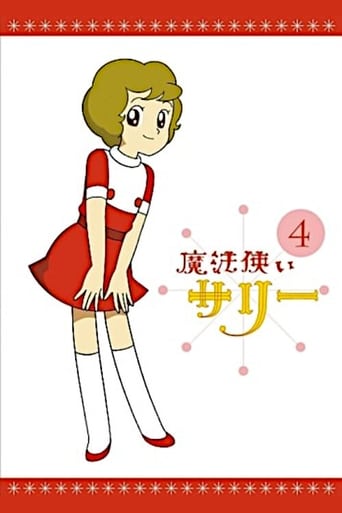
The Magical girls collection traces one of anime's great genres, and Magical girls on AniDB introduces it. Sally the Witch, from 1966, started it all: a witch princess visits Earth, makes friends at a Japanese school and uses her magic to help them. Akko-chan's Secret, from 1969, gave a girl a magic mirror that lets her transform into anyone, the first transformation in the genre.
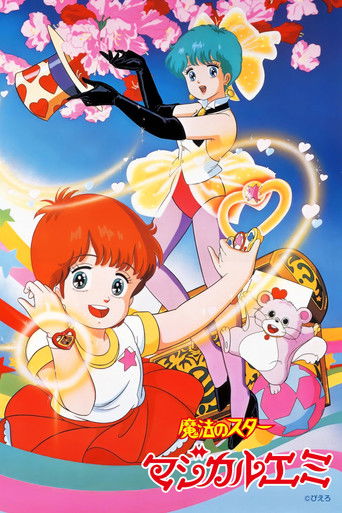
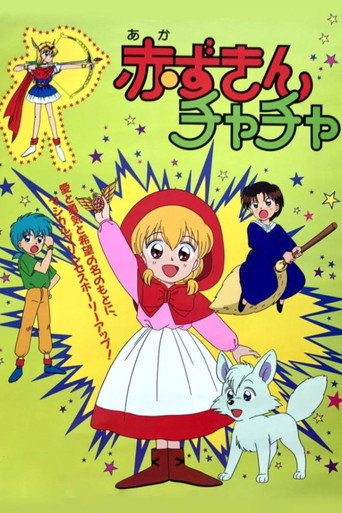
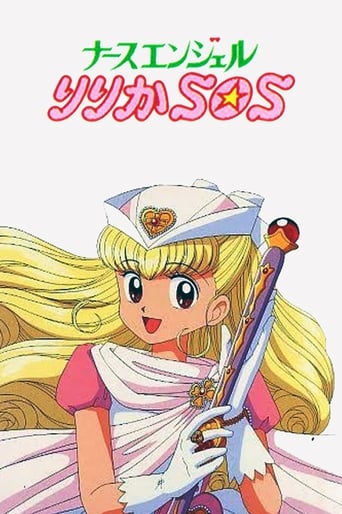
The 1980s brought idols and dreams. Magical Princess Minky Momo follows a princess from a fairy land who becomes a grown-up version of herself to help people achieve their dreams, and Magical Emi, the Magic Star follows a girl who becomes a stage magician with real magic. Lalabel follows a young witch lost in the human world, and Fancy Lala from 1998 lets a girl transform into a teenage model with the help of two tiny dinosaurs. Nurse Angel Ririka SOS and Lil' Red Riding Hood Cha-Cha brought the genre into the 1990s with warmth and comedy, and Hime-chan's Ribbon follows a tomboy who receives a magic ribbon from a princess of the magic world.
Shoujo classics
The Shoujo classics collection gathers stories of heroines, first loves and friendship. Hello! Sandybell, from 1981, follows a lively girl in Scotland who searches for her mother and dreams of becoming a writer. Hello! Spank follows a girl in a seaside town and the lovable dog who adopts her, Neighborhood Story from 1995 follows two childhood friends at a design school in a stylish, fashion-filled romance.
Please Save My Earth, a 1993 video series from Production I.G, follows seven teenagers who share dreams of past lives as alien scientists on the Moon, a haunting story of memory and love. Here Is Greenwood is a warm comedy set in an eccentric boys' dormitory, and To Heart from 1999 is a gentle school romance with a sweet, relaxed pace.
Comedy and family favourites
The Comedy and family collection gathers the gag comedies and family series that filled afternoon television. Perman and Kaibutsu-kun, from the creators of Doraemon, follow a boy who becomes a caped hero and a little monster prince who moves to Tokyo with his friends Dracula, Wolfman and Franken. Ikkyū-san, from 1975, follows a clever young Buddhist monk who solves problems with wit and riddles, and its nearly three hundred episodes were a family institution. Dr. Slump, from 1997, retells Akira Toriyama's comedy about an inventor and his super-strong robot girl Arale in a village full of eccentric neighbours.
Mister Ajikko and Cooking Master Boy turned cooking into dramatic competitions, with young chefs battling in spectacular contests long before cooking anime became a trend. Little Baldy Hagemaru follows a mischievous boy and his loving family, Magical Taluluto brings a clumsy young wizard to live with an ordinary boy, and Maple Town follows the gentle adventures of a rabbit family and their animal neighbours. Stop!! Hibari-kun! and Angel Densetsu are cheerful comedies of misunderstanding, and You're Under Arrest! follows two young policewomen in Tokyo with warmth and humour.
Nineties kids' favourites
The late 1990s brought a wave of shows tied to games and toys that became favourites around the world. Medabots follows boys who battle with customisable robots, Monster Rancher sends a boy into the world of his favourite video game, and Yu-Gi-Oh!, the 1998 series from Toei, is the first adaptation of the famous card-game manga. Bakusou Kyoudai Let's & Go!! follows brothers racing mini four-wheel-drive cars, Bikkuriman 2000 brings a sticker-collecting craze to life and Bucky - The Incredible Kid follows a boy on a quest across a mysterious archipelago. Samurai Pizza Cats, known in Japan as Kyatto Ninden Teyandee, follows three samurai cats who run a pizza shop, and its famously playful English dub became a cult favourite.
Silver Fang and animal heroes
Silver Fang: The Shooting Star Gin, from 1986, follows a brave Akita puppy who joins a pack of hunting dogs to defeat a monstrous bear. It became especially beloved in Finland and Scandinavia. Rascal the Raccoon, The Adventures of Hutch the Honeybee and Maya the Bee also make fine companions for young viewers who love animal stories.
Questions
What is AniDB?
AniDB is a guide to classic anime from 1958 to 1999, series, OVAs and films, with a Watch now button for every title that opens it on the official services in your country.
How do I watch a title?
Open the title page, choose your country and press Watch now. JustWatch opens with the official services that carry it where you live.
Which classic should I start with?
Kimba the White Lion, Space Battleship Yamato, A Dog of Flanders, Record of Lodoss War and Slayers are wonderful first choices.
What is the World Masterpiece Theater?
A long-running series of anime adaptations of famous novels from around the world, broadcast on Sunday evenings in Japan from 1975.
Are the classics suitable for children?
Many are made for families, and the Comedy and family, World Masterpiece Theater and Magical girls shelves are good places to look. Each service shows its own age rating.
How do I keep track of a long series?
Add the series to My List and tick the episodes you have watched. Your place is kept in your browser.
Can I move My List to another device?
Yes. Export My List to a small file, then import it on the other device.
Are there English dubs?
Many classics have English dubs, and some also have well-loved dubs in other languages. Check the audio menu in the player after pressing Watch now.